
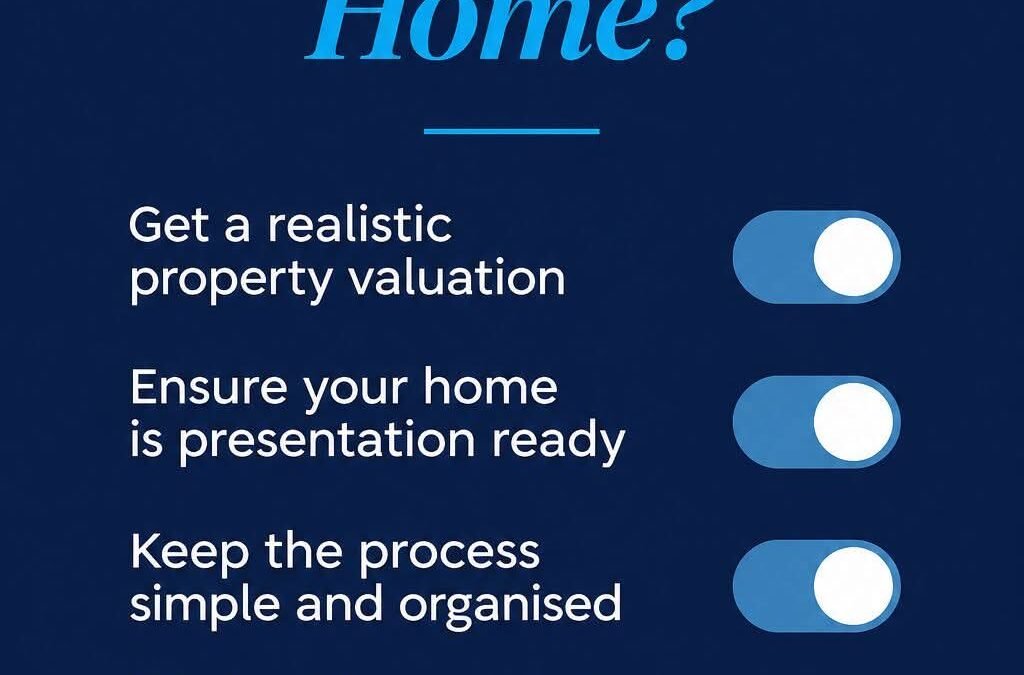
Selling a property in Brighton and Hove is easier when you start with the right information. Most delays do not come from the market. They come from a valuation that was too hopeful, paperwork that was not ready, or a property that was not prepared for viewings. Fix those three and the process feels far more manageable.
This guide walks through the steps that matter most before you list. It applies to a family home and to a rental property, including an HMO that is sitting empty.
Start with a realistic value
The asking price sets the tone for everything that follows. Too high, and the property sits while buyers look elsewhere. Too low, and you leave money behind. The aim is a price you can explain.
- Get more than one valuation. Ask each adviser how they reached their figure.
- Look at sold prices, not just asking prices. Homes on your street or nearby show what buyers actually paid.
- Be honest about condition. A tired kitchen or a damp patch will affect the figure, whatever the layout.
- Check your timeline. If you need to move quickly, tell the adviser. It can change the advice.
A useful question. Ask any adviser: “What would make this property worth more, and is it worth doing before we list?” The answer tells you whether they have looked closely at your home.
Prepare the property for the market
Buyers decide quickly. Most form a view in the first few minutes of a viewing, and photographs decide whether they come at all. Preparation does not need to be expensive. It needs to be careful.
- Declutter. Clear worktops, shelves and floors. A room with fewer things in it looks larger.
- Clean properly. Kitchens, bathrooms, windows and floors matter most. A deep clean is often money well spent.
- Fix the small faults. Dripping taps, chipped paint and loose handles suggest bigger problems.
- Let in the light. Open curtains, replace tired bulbs and clean the windows before photographs.
- Tidy the outside. The front of the house is the first thing buyers see. Clear the path, trim the hedge and put bins out of sight.
Get the paperwork ready early
Buyers and their solicitors ask for the same documents every time. If you have them in one place, the sale moves faster and fewer questions come back late.
| Document | Why it matters |
|---|---|
| Energy performance certificate | Needed to market the property. Check it is in date. |
| Title and ownership details | Your solicitor will need these to start the sale. |
| Guarantees and certificates | Boiler, electrical work, windows and any building works. |
| Lease details, if leasehold | Buyers want to see the lease length, ground rent and service charges. |
| Tenancy records, if let | Agreements, deposit protection and rent history. |
Your solicitor or conveyancer will tell you exactly what they need. Ask them early, not once an offer has come in.
If the property is a rental
Selling a let property adds a few questions. The biggest is whether you sell with tenants in place or with an empty property.
A tenanted sale can suit an investor buyer, because the rent carries on from the day they complete. A sale with vacant possession opens the property to families and owner occupiers too. Which is better depends on your tenants, your timeline and your buyer.
Rules on ending tenancies have changed. Section 21 notices no longer exist in England, and you need a valid ground to end a tenancy. Take advice before you serve any notice or promise a buyer an empty property.
When the property is an empty HMO
An empty HMO brings its own questions. Buyers will want to see the licence, the safety records and evidence of past income. Brighton & Hove has an Article 4 direction that covers the whole city. Turning a family home into a small HMO needs planning permission. Turning a small HMO back into a family home does not. That can widen your pool of buyers, if the layout allows it.
Not every empty HMO needs to be sold. Some are better refilled or handed to a manager. Our HMO landlord options guide explains how to choose between selling, filling the rooms and handing over the work.
Choosing the right support
You can sell without help, but most people want someone alongside them. A good adviser should explain things plainly, tell you what they do not know and put the details in writing.
- How do you arrive at your valuation?
- What will you do to prepare and present the property?
- What are your fees, and when do I pay them?
- Who will be my main contact, and how often will I hear from you?
- Have you sold properties like mine, in my area?
At BlueHouse Lettings, we help people explore their options, whether that means selling a family home or finding a solution for an empty HMO. Having a trusted property partner can make the process feel simpler and more manageable. If you own a rental, our landlord services page shows how we support owners.
Thinking of selling?
Tell us about your property and what you are hoping to do. We’ll talk through your options with you, with no pressure to decide either way.
Talk to our teamThis guide is general information. Document requirements, tenancy rules and planning requirements vary by property and change over time, so confirm the position with your solicitor and Brighton & Hove City Council. Planning points are summarised from council guidance. It is not legal, tax or financial advice.